
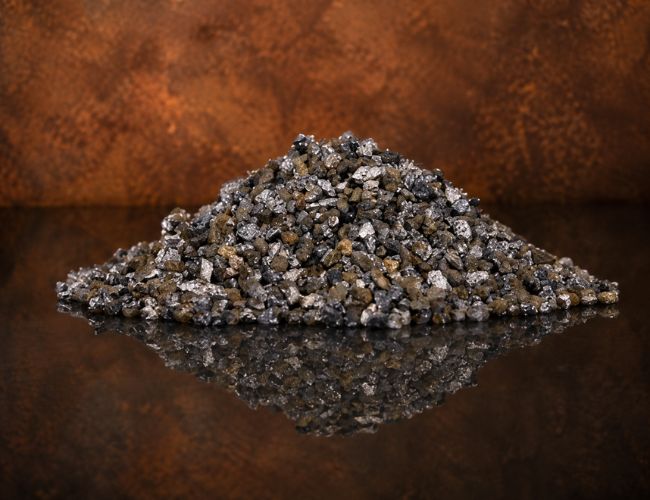
Refractory Clay
Refractory Clay is a naturally occurring heat-resistant material valued for its ability to withstand elevated temperatures without losing structural stability. It generally contains alumina and silica in proportions that provide refractoriness, plasticity, bonding strength, and controlled shrinkage. After suitable processing, it becomes an important raw material for manufacturing products exposed to intense heat, thermal cycling, and demanding industrial conditions.
Its performance depends on mineral composition, alumina content, particle size, impurities, plasticity, firing behaviour, and the temperature requirements of the application. Refractory Clay can support strong shaping characteristics before firing and develop dependable mechanical strength after firing. Correct grade selection helps improve service life, dimensional stability, heat resistance, and production consistency.
Key Benefits:
- Excellent high-temperature resistance
- Good thermal stability
- Strong bonding properties
- Controlled firing shrinkage
- Reliable mechanical strength
- Suitable moulding plasticity
- Consistent processing behaviour
- Durable industrial performance
Application:
FAQ:
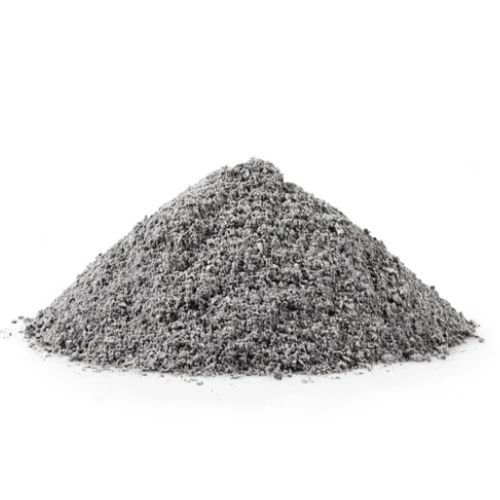
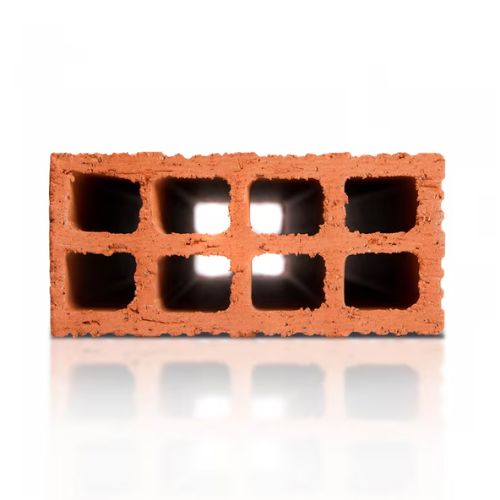
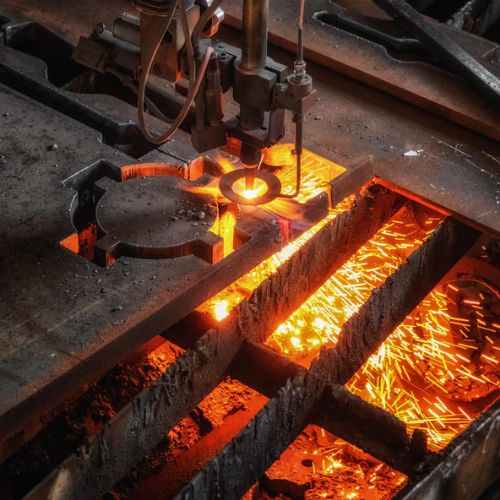
Refractory Clay is commonly used in firebricks, furnace linings, kilns, boilers, crucibles, foundries, ceramics, and other high-temperature industrial applications.
It offers excellent heat resistance, thermal stability, mechanical strength, controlled shrinkage, and reliable performance under demanding high-temperature operating conditions.
Select the grade based on alumina content, refractoriness, particle size, plasticity, shrinkage, thermal requirements, and the intended manufacturing application.